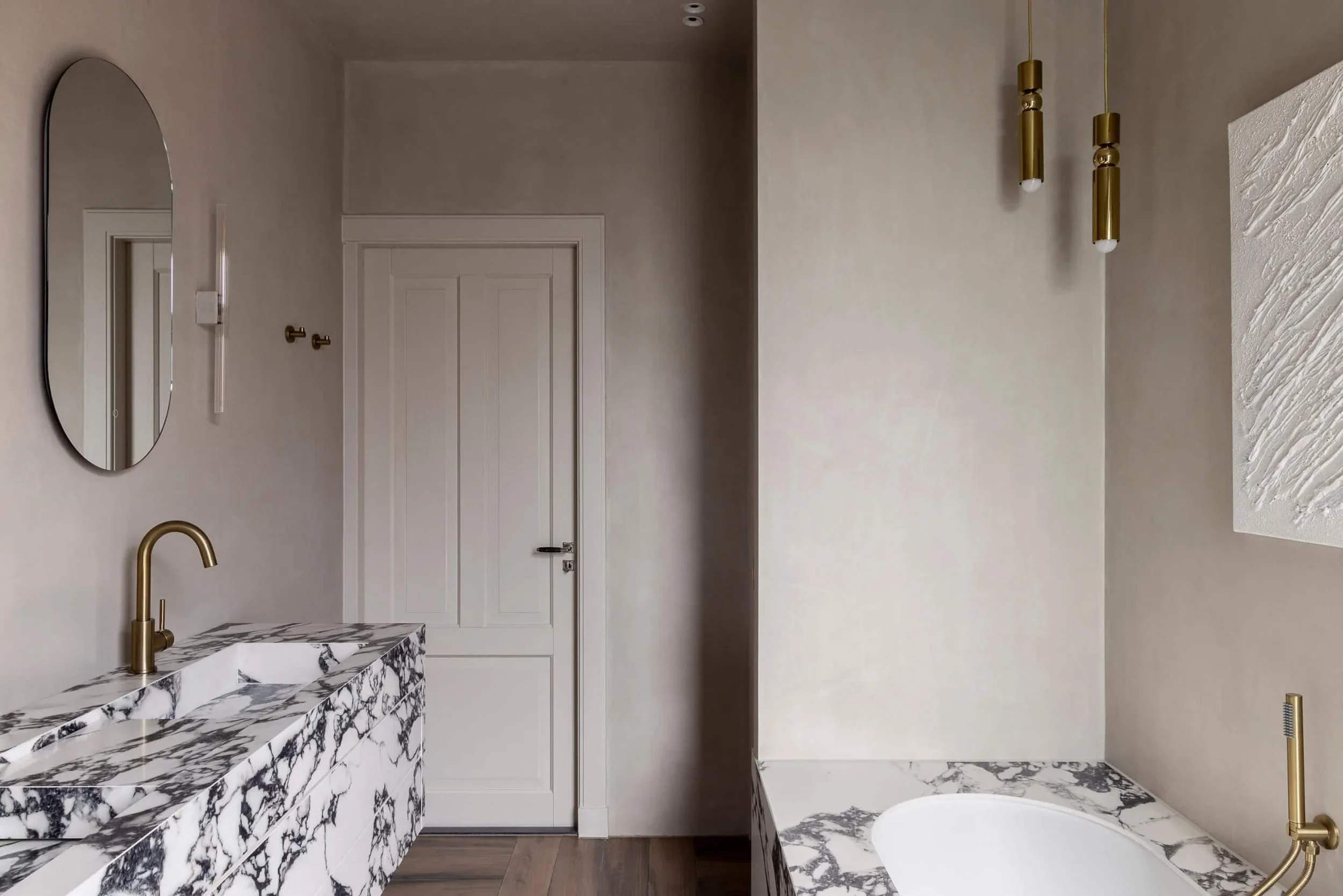
What makes an interior design truly great?
An interior can be beautiful and yet leave you completely unmoved.
A few months ago, I was approached by a couple who invited me to their newly decorated home. It was designed exactly according to the Pinterest images they had carefully collected. But why, then, did the whole space feel flat, impersonal—simply not like a “home” as they described it?
Regardless of style or taste, as an interior designer, I believe there are three elements that determine whether an interior is merely beautiful—or whether it truly leaves a lasting impression. Both at home and at work.
Those three elements are:
Cohesion, tension, and character.
In this editorial, I’d like to explain what I mean by cohesion, tension, and character—and how you can incorporate these into your own home or business.
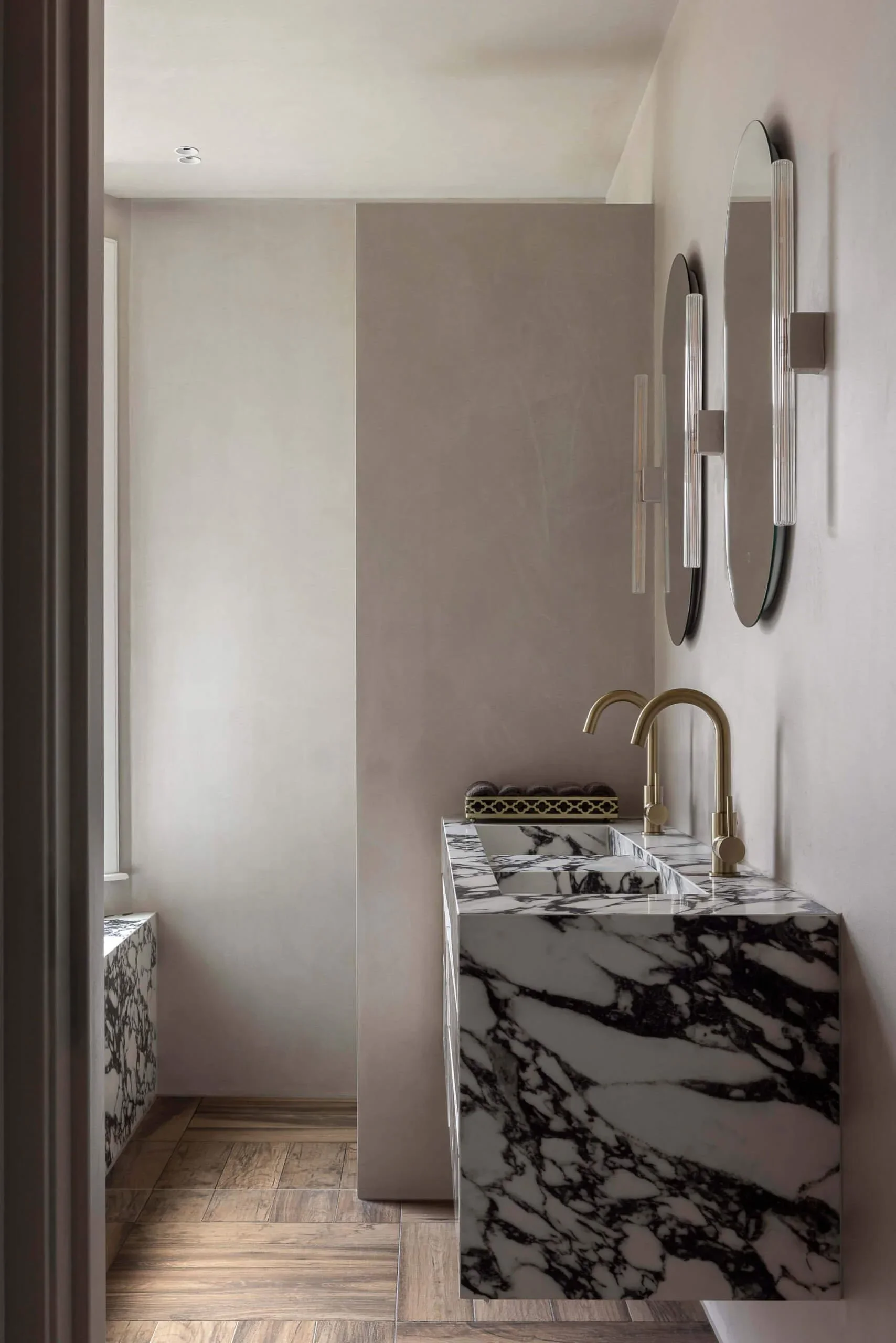
1. Coherence
First and foremost, a good interior design starts with a clear vision—a vision of the atmosphere you want to create. In other words, what style, look, and feel do you have in mind for this interior? Whether it’s a home or a business, it doesn’t matter. And, of course, this can also be a combination of styles.
But this is precisely why, for us as interior designers, a design always starts with a mood board: to visualize the vision for the interior. It serves as a guide for the rest of the design process.
Because based on this vision, you make all the decisions about the materials, colors, shapes, furniture, upholstery, art, and details that go along with it.
That doesn't mean everything has to be the same. Quite the opposite. But the choices do need to feel as if they stem from the same "story."
If you keep straying from that original direction during the design process, you’ll eventually end up with a collection of individual elements in a space—elements that may be beautiful on their own—but it will never feel like a cohesive whole.
Cohesion creates a sense of calm—that feeling that “it all fits.” But cohesion alone isn’t enough.
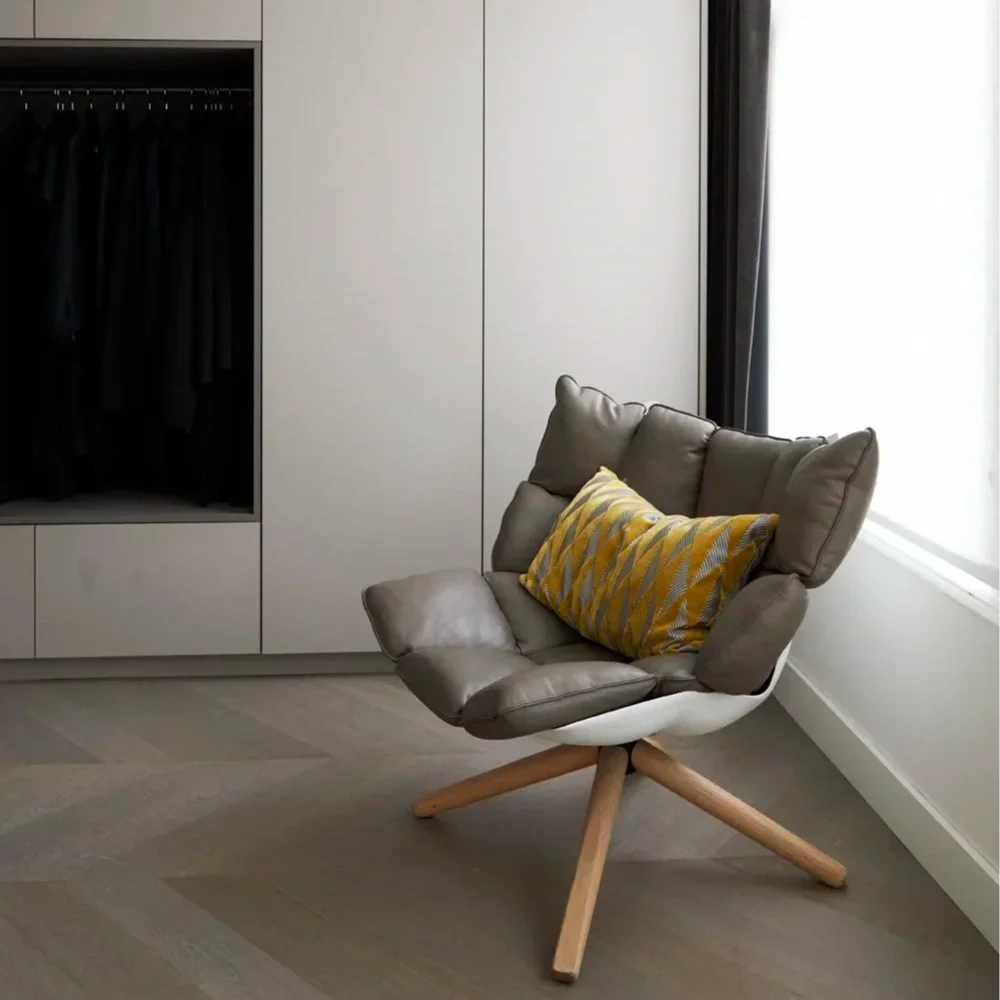
2. Tension
After all, an interior where everything is perfectly coordinated can also end up being incredibly boring.
That’s why, as an interior stylist, I’m always looking for contrast. What do I mean by contrast?
For example, when designing a lighting plan, don’t just install a row of spotlights in the ceiling like a runway. Instead, come up with an exciting combination of where to place spotlights and where not to. Decide whether or not to illuminate certain parts of the space. But also consider using different types of fixtures. Creating a beautiful combination of functional and mood lighting.
But contrast is also important in the use of materials. A beautiful, smooth wooden or concrete floor becomes visually more interesting with a soft sheepskin or a shaggy, handmade wool Berber rug.
And that shaggy rug, in turn, contrasts beautifully with a smooth travertine, marble, or even aluminum coffee table.
A beautiful, serene “smooth” bathroom becomes exciting with a large window overlooking a patio featuring, for example, white pebbles and large cacti or tropical plants.
In other words: alternate smooth with rough, dark with light, clean lines with organic shapes, tranquility with expression.
It is precisely these contrasts that pleasantly stimulate your brain. Your eyes will enjoy gliding through the space, and the space will remain interesting.
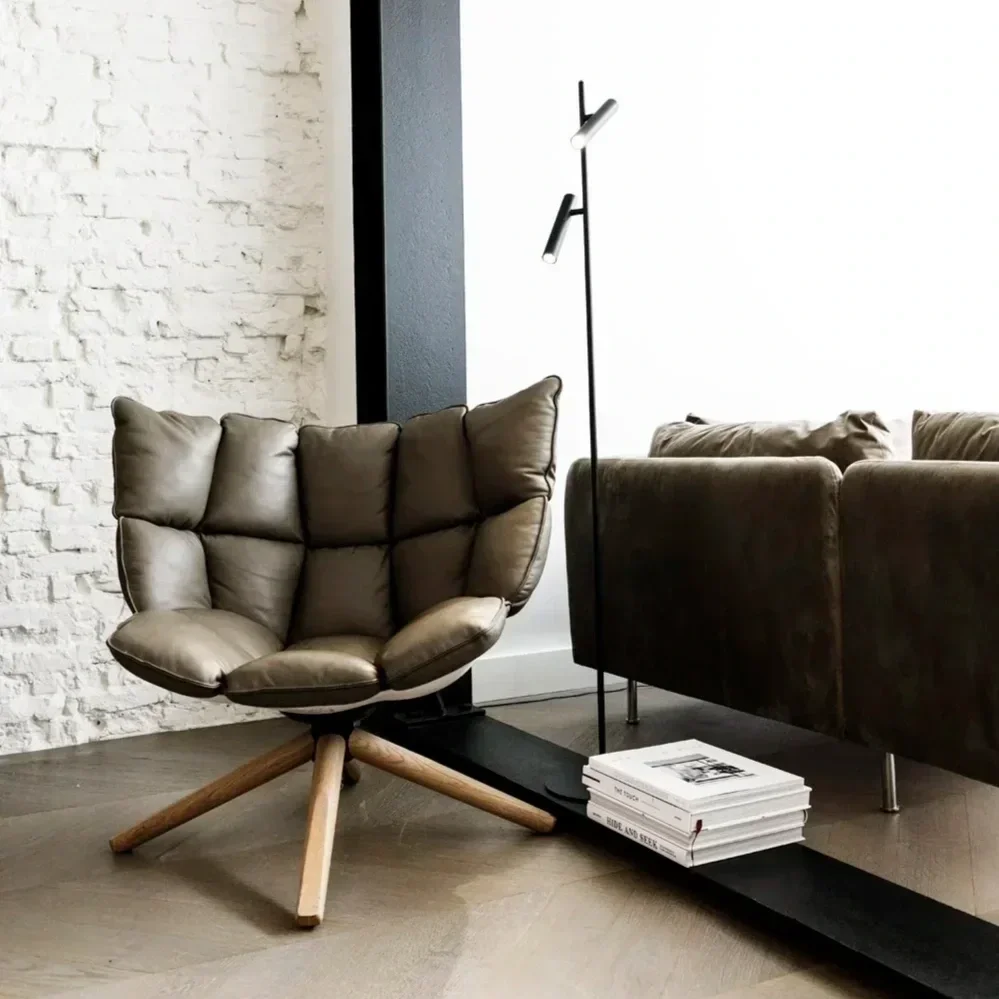
3. Character
And then, perhaps the most difficult thing of all: character.
Because that was the biggest problem with the couple’s house I mentioned at the beginning. Although they had hired a designer who had neatly recreated the Pinterest images, the house lacked character.
Yes, everything was beautiful. Everything matched. But it was as if the house didn’t belong to anyone.
There was nothing that made you think: “This is original,” “This says something about the people who live here,” “There’s a story behind this,” or “This is a special item.”
Because that’s exactly where character comes from.
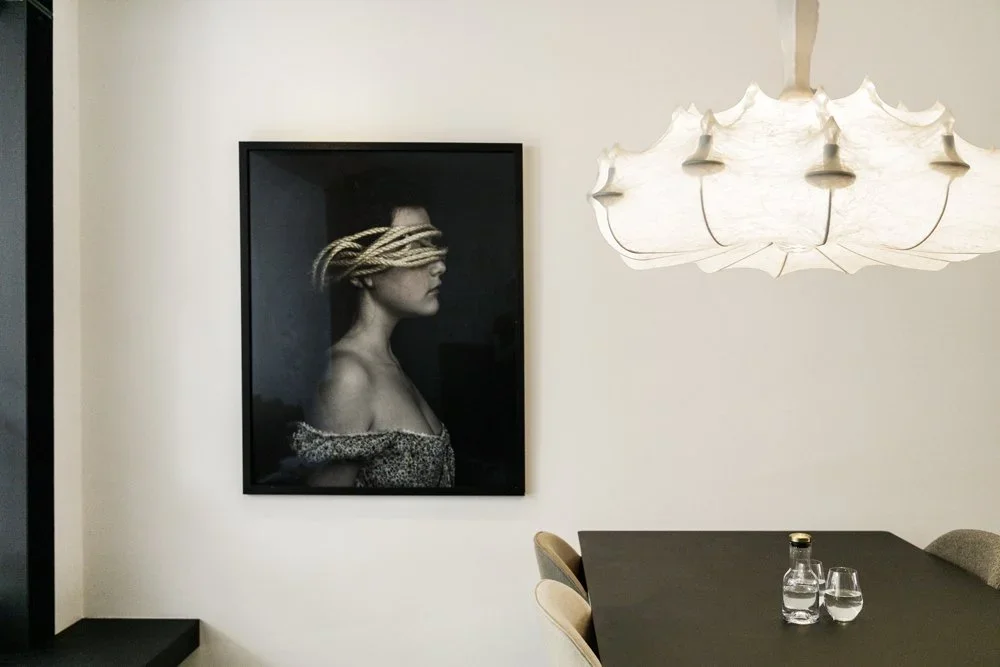
It could be a striking designer pendant light above the dining table that—in terms of price and design—really made you think it over for a night, but that later turned out to be the defining element of the room.
A remarkable work of art that immediately drew you in at the art fair and really gives the space its character.
A record player with a collection of LPs, because music plays an important role in the life of the man of the house.
You won't find choices like that just by looking at trends or Pinterest images.
They stem from the people who use a space.
The Balance Between Peace and Inspiration
I always say: whether at home or at work, people seek the perfect balance between inspiration and tranquility in their interiors. For some, that might be a Japandi-style interior, while for others, it might be an eclectic look.
But when an interior doesn't quite feel right and you can't quite put your finger on why, ask yourself:
Is there enough cohesion?
Is there enough tension?
And above all: does it have character?
For me, these three elements make the difference between an interior that’s beautiful and one that stays with you. An interior that feels like home.
In my work, I translate that balance into complete interior design concepts for homes and businesses, with a focus on cohesion, contrast, and character.
Would you like to know what I can do for your home or business?
Please contact me via this link.
Marielle van Essen
Interior Designer & AI Educator
P.S. The images in this editorial are from two projects designed and developed by Marielle van Essen Interiors.